A visit to Writing-on-Stone Provincial Park, a sacred site for the Blackfoot people in southern Alberta, which is also a UNESCO World Heritage Site
What can you accomplish in just two days on a potential 3- or 4-day trip? Quite a lot! I once travelled 1,200 kilometres in just 24 hours, which allowed me to visit Kananaskis, the Aga Khan Garden in Edmonton, and Medicine and Maligne Lakes in Jasper National Park. If you’re interested, you can read more about that journey in my detailed post HERE.
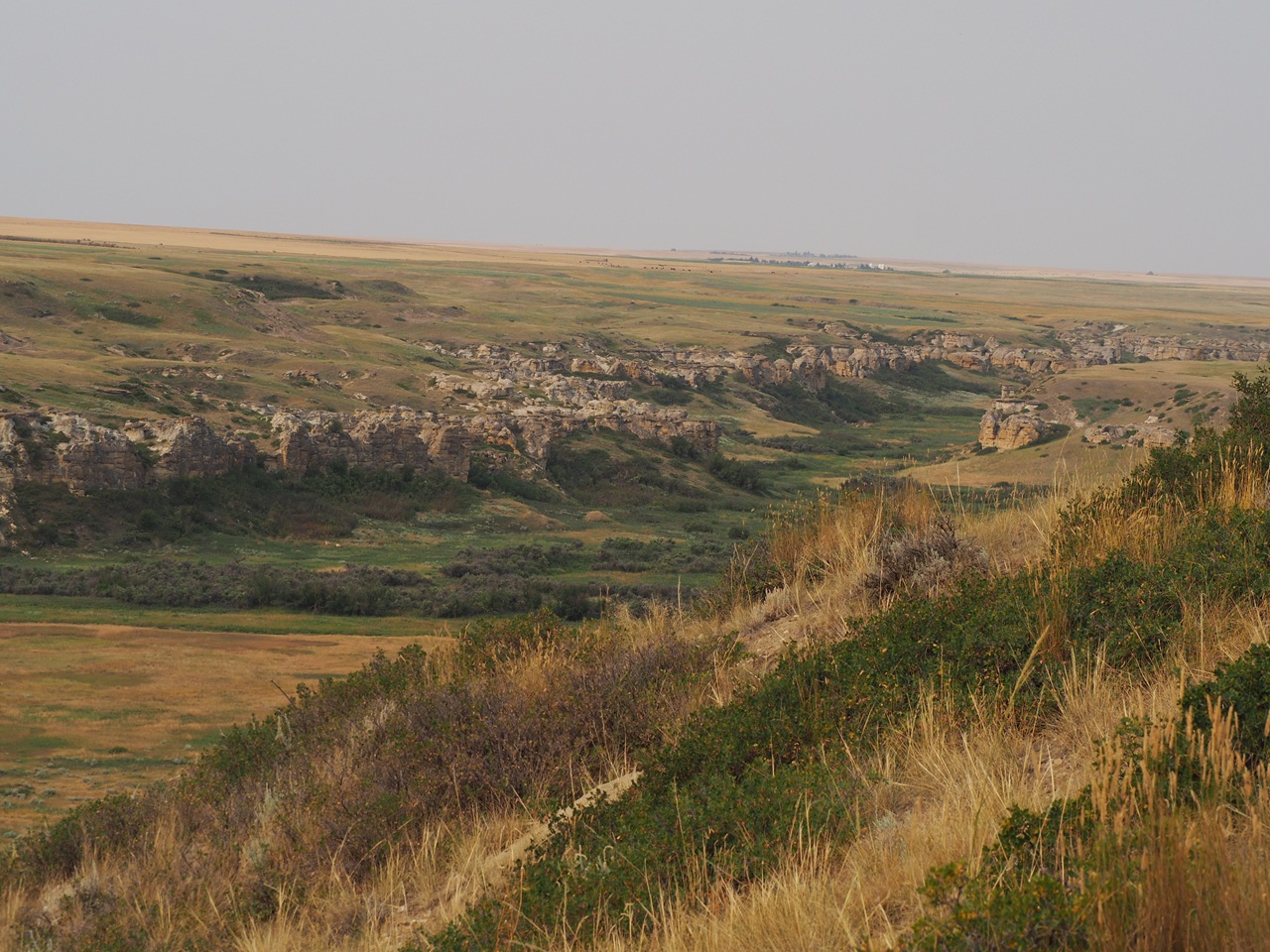
My most recent trip was to Writing-on-Stone Provincial Park, located on the northern edge of the semi-arid Great Plains of North America, along the Canada-United States border, approximately a 3-hour drive from Calgary.
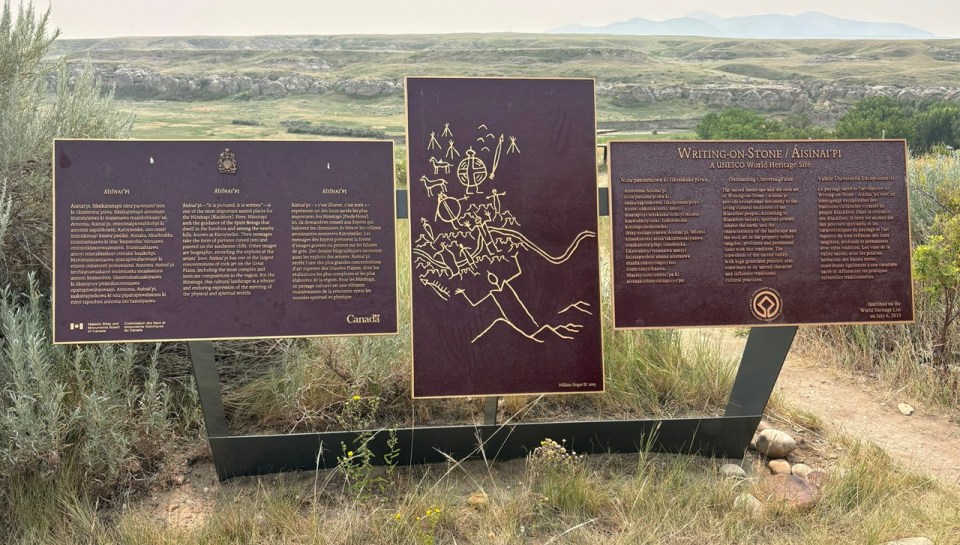
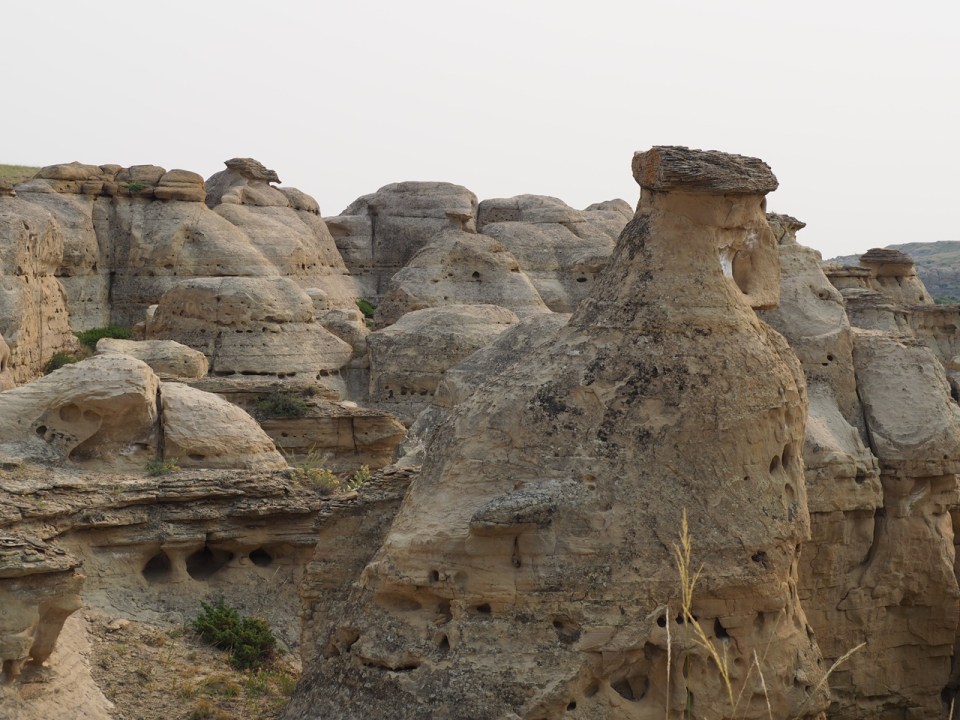
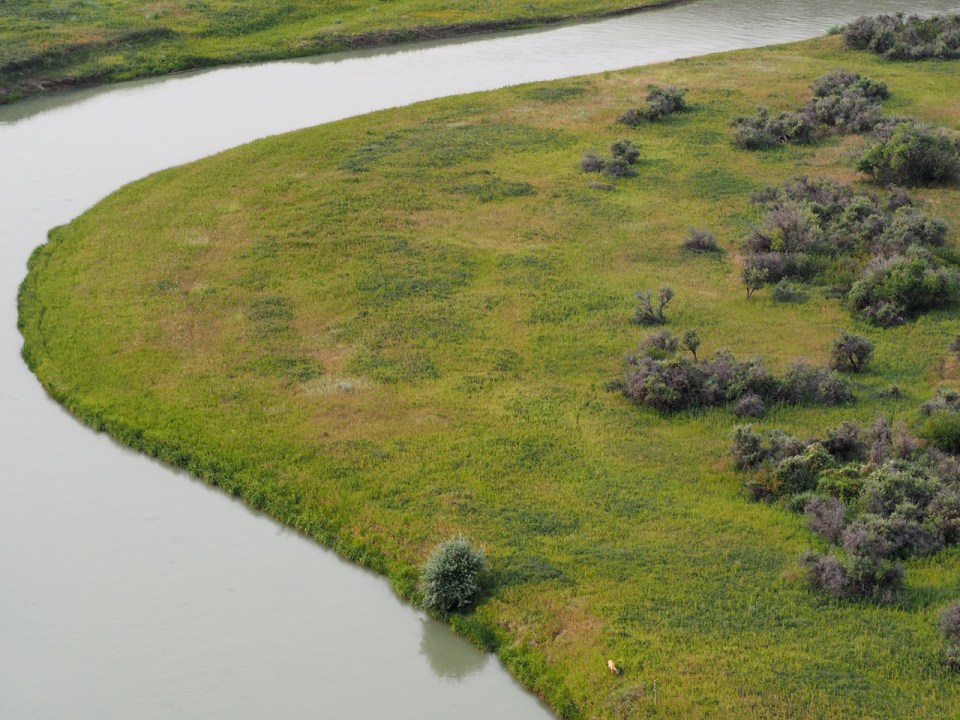
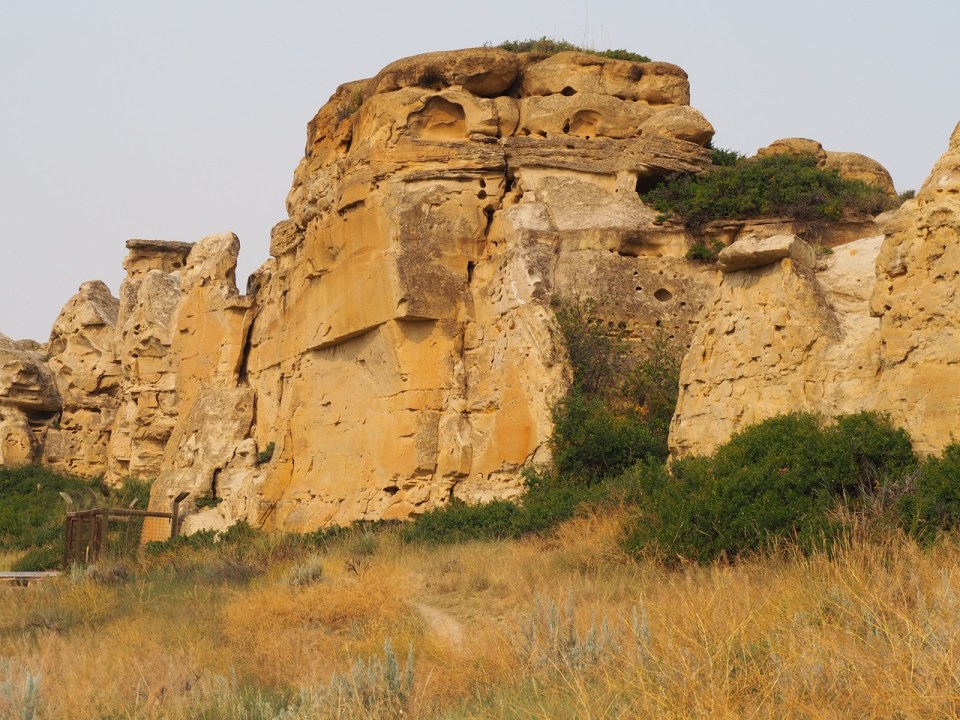
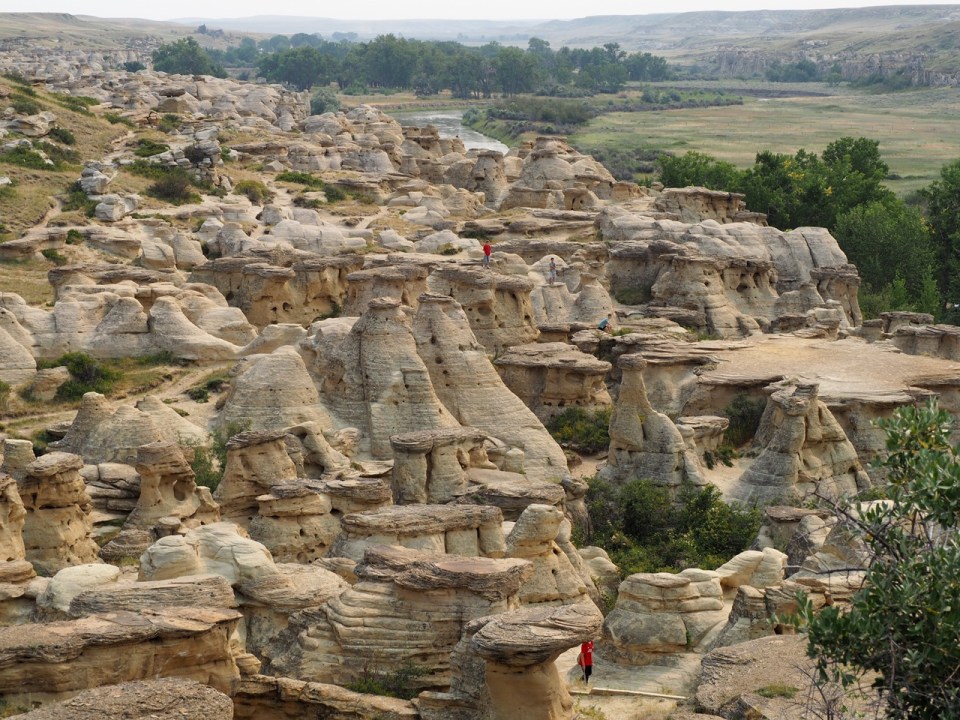
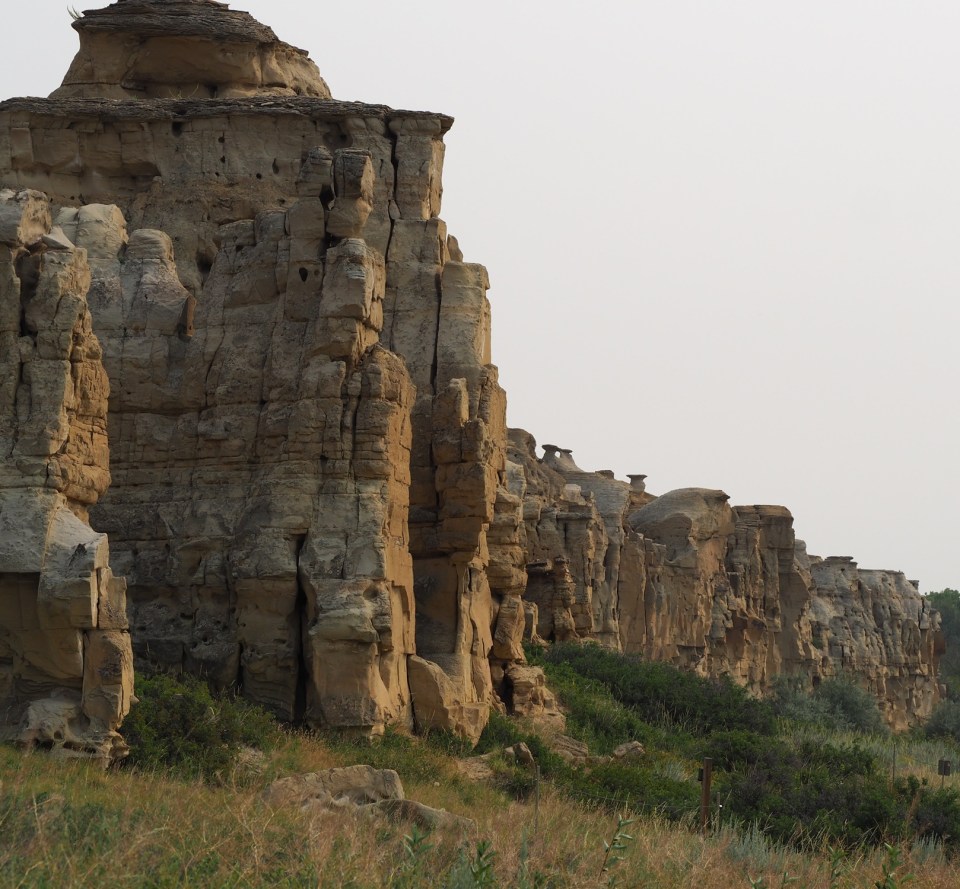
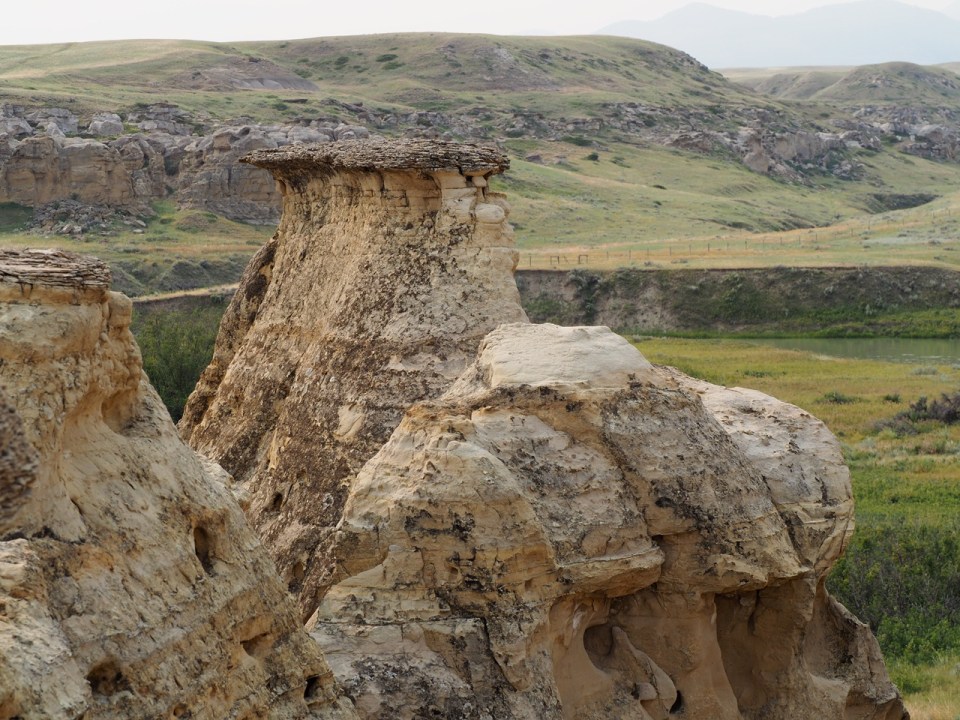
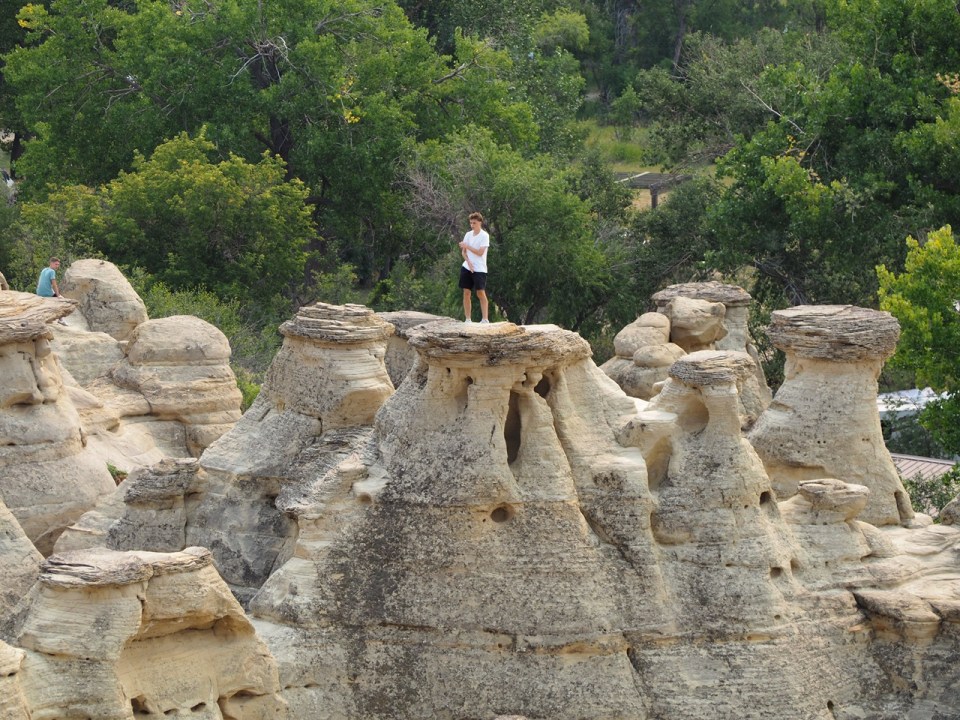
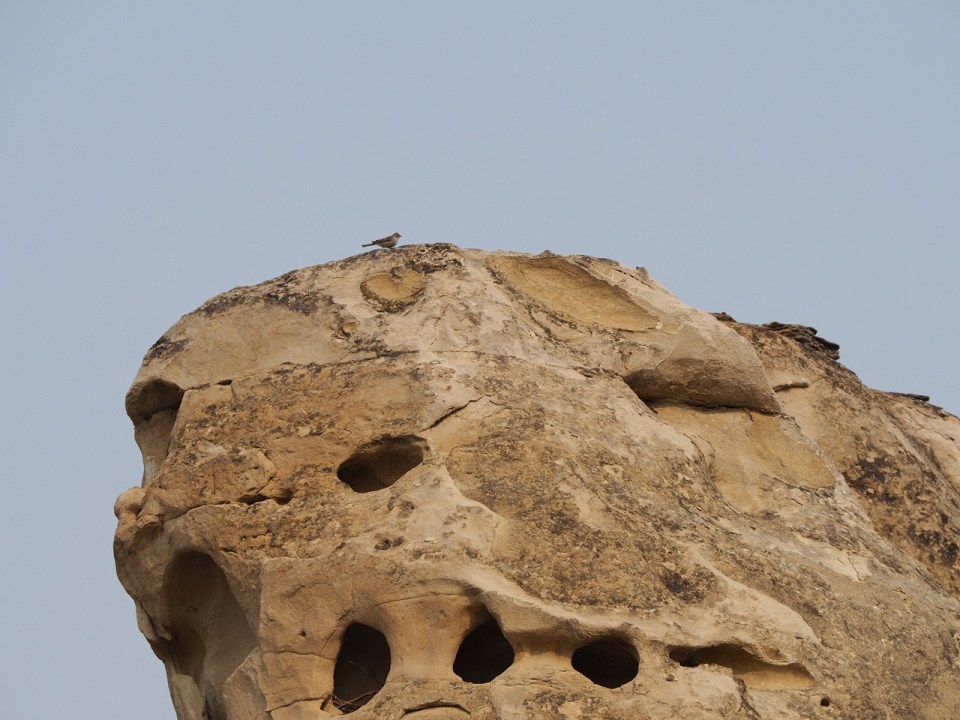
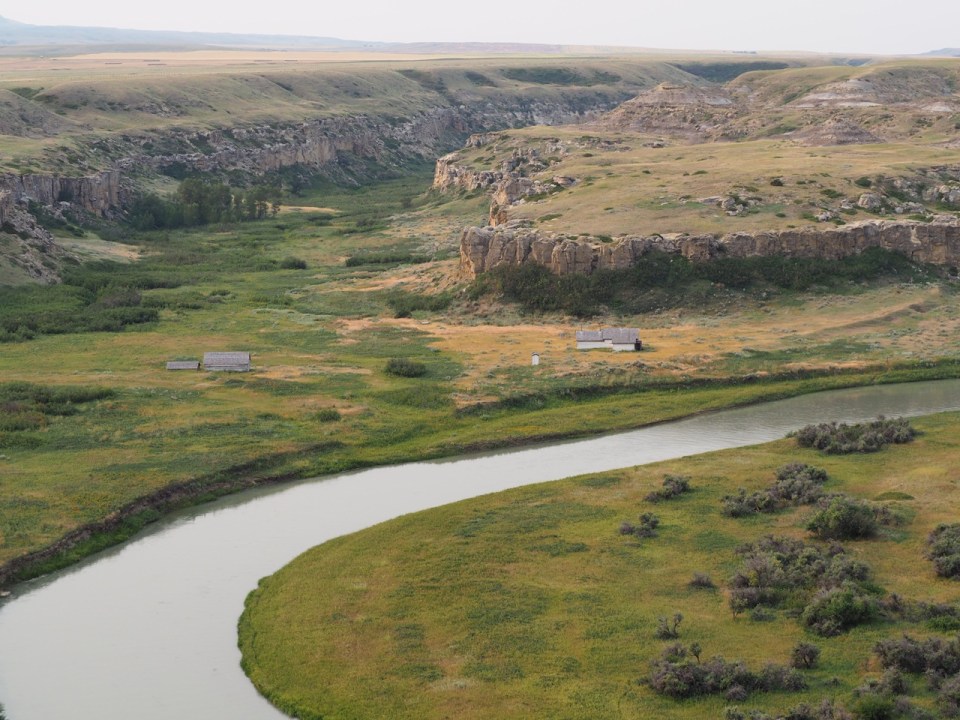
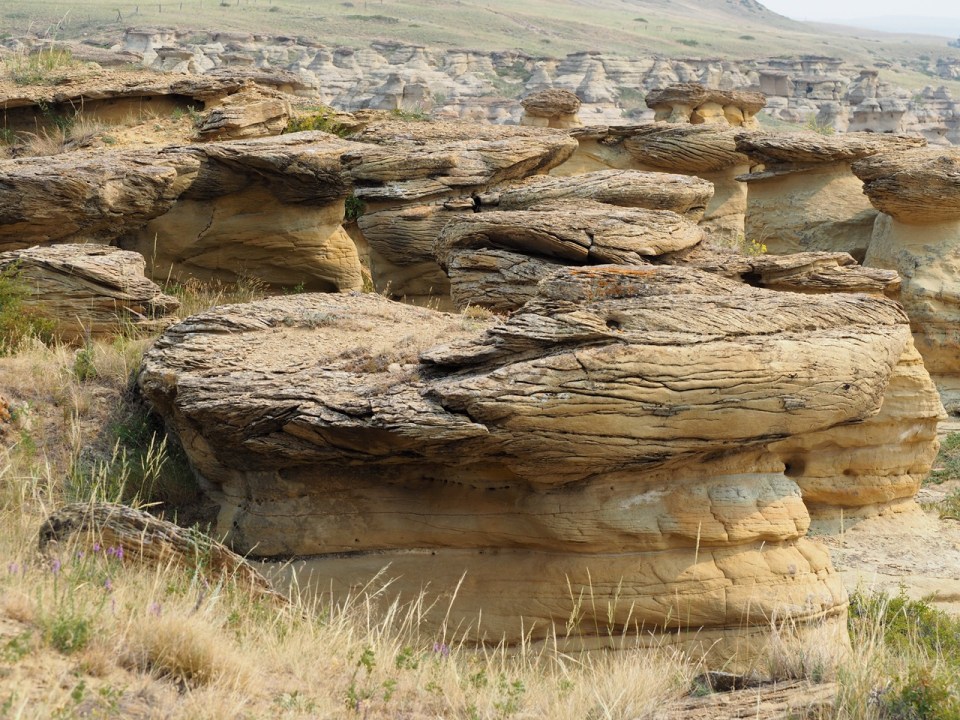
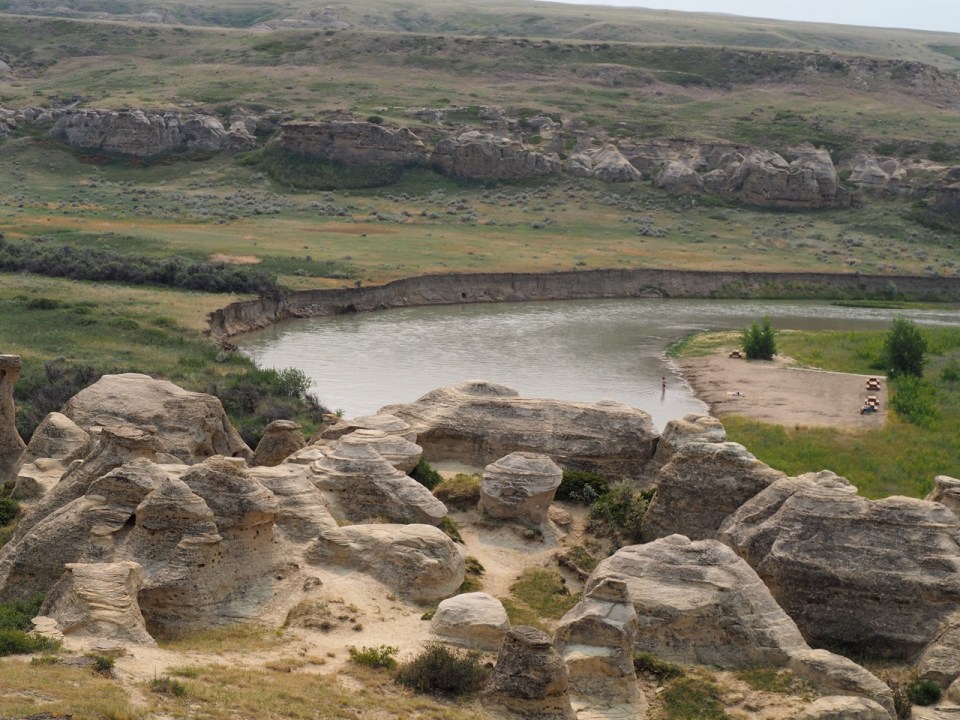
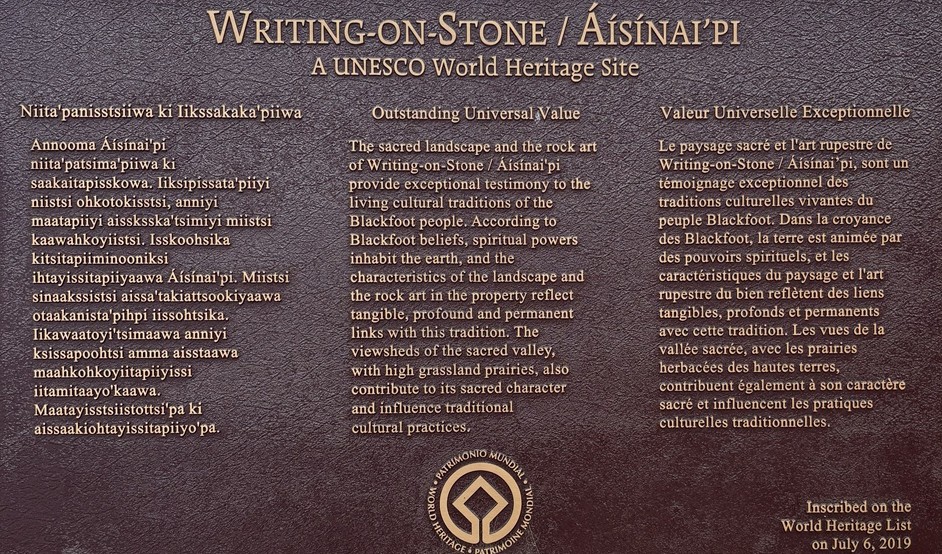
The Indigenous Blackfoot people know this place as Áísínai’pi — “it is pictured” — and thus the Park’s name. Considered sacred, the place welcomes visitors and has seen a growing number of tourists from around the world since it was designated a UNESCO World Heritage Site on July 6, 2019. The Milk River Valley dominates the topography of this cultural landscape, which is characterized by a concentration of pillars, or hoodoos — columns of rock sculpted by erosion into spectacular shapes.
~~~~~~~~
My first encounter with a UNESCO World Heritage site in Alberta was in 2017 at Dinosaur Provincial Park (designated October 26, 1979), during my 4,500-km drive from Vancouver to Ottawa and Montreal, where I attended the Homage Ceremony marking the Diamond Jubilee of Mawlana Shah Karim, His Late Highness Aga Khan IV. After relocating to Alberta from Ontario about four years ago, I have visited three more UNESCO sites, including the Waterton-Glacier International Peace Park (designated December 6, 1995), the Head-Smashed-In Buffalo Jump World Heritage Site (designated 1981), and, of course, the Canadian Rocky Mountain Parks (designated 1984), which Alberta shares with British Columbia — these include Banff, Jasper, Kootenay and Yoho National Parks, as well as the Mount Robson, Mount Assiniboine and Hamber provincial parks.
Unfortunately, due to its remoteness and distance from Calgary (appx 1,500 km), it is unlikely I will visit Wood Buffalo National Park, the sixth UNESCO World Heritage Site in Alberta (designated 1983), which it shares with the Northwest Territories. Currently, Canada has 22 natural and cultural sites inscribed on UNESCO’s World Heritage List.
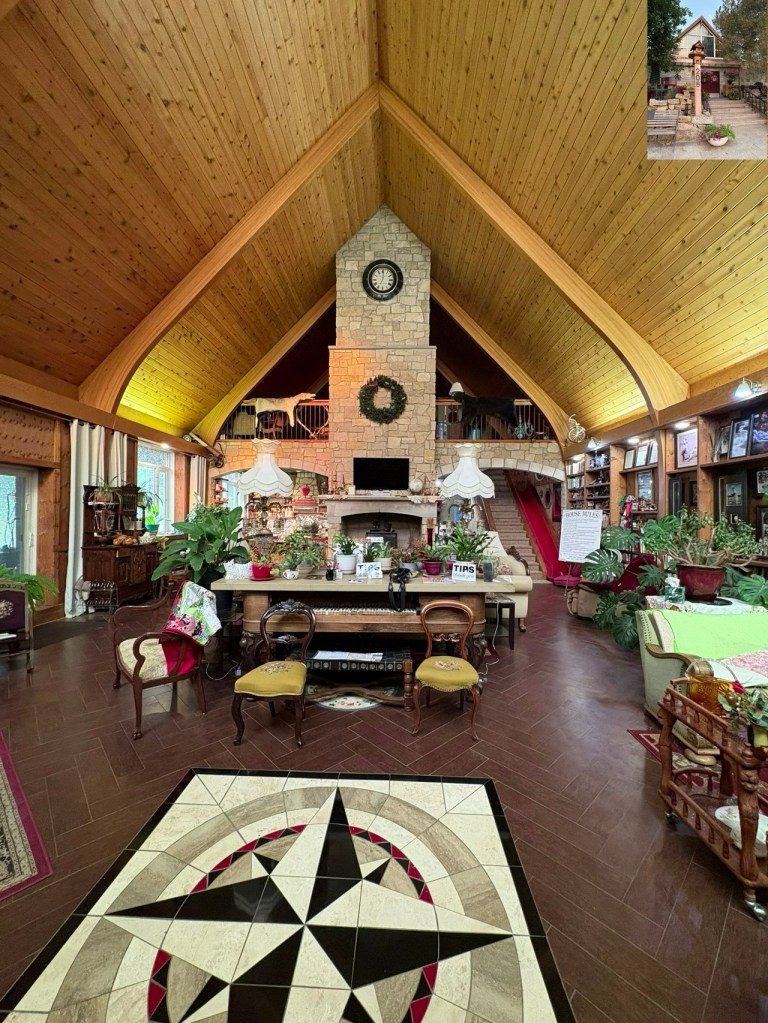
Visiting Writing-on-Stone presented a few challenges. As a spontaneous traveller, I could not secure accommodations near the Park. Luckily, I found a unique bed-and-breakfast in Warner, about a 40-minute drive from Writing-on-Stone. My stay at the Old Church B&B was unlike other bed-and-breakfasts — it is located in a former church, skillfully converted by a visionary couple, Dan and Pam Court, members of the Church of Jesus Christ of Latter-day Saints (LDS). Dan described the planning that went into transforming the space into about six bedrooms, which was fascinating. Their cat was adorable, and I enjoyed a delicious breakfast at 7 AM after a restful night, prepared by Pam. Guests at the Old Church included a UK couple en route to Alaska on their motorbikes. Hearing their stories was fascinating. Staying in extraordinary places without breaking your budget and meeting interesting people make any trip more rewarding, satisfying, and inspiring. Afterward, I drove to Writing-on-Stone on a smoky day that would soon turn very hot.
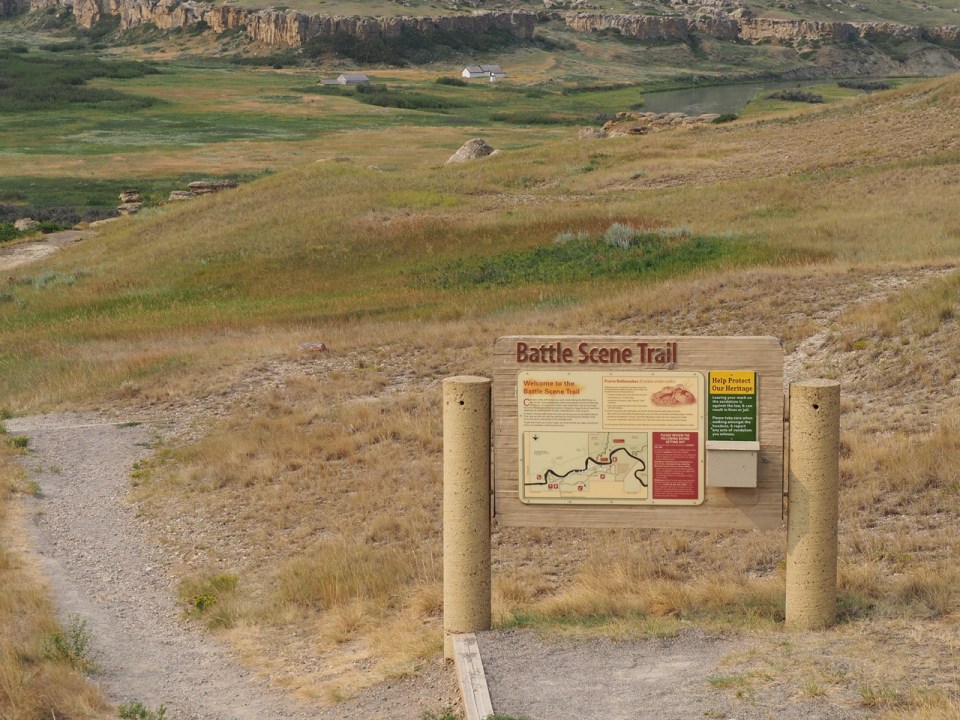
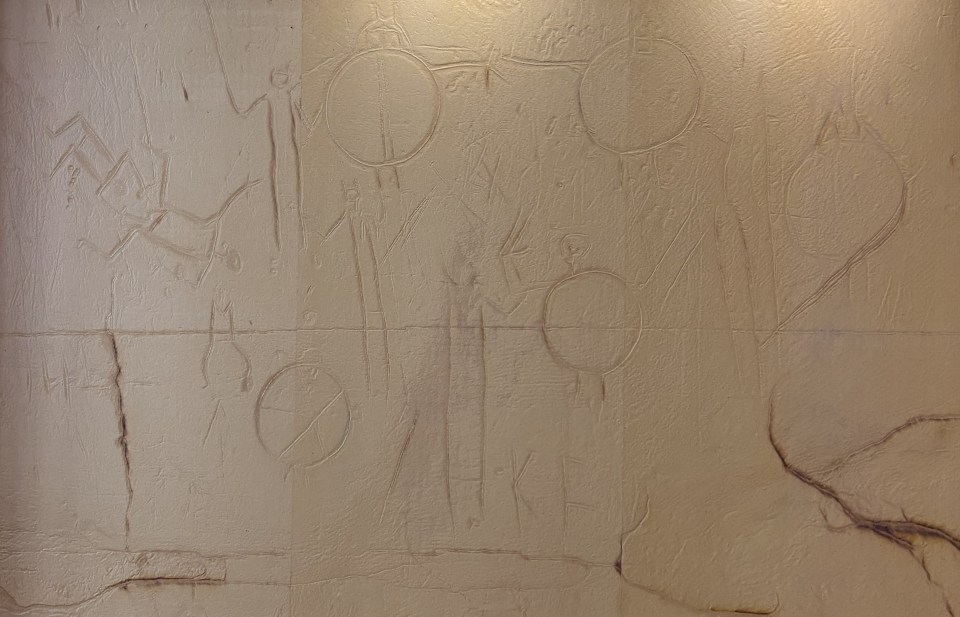
Having visited Drumheller and seen the Hoodoos there, I found Writing-on-Stone much larger, spanning several kilometres along both sides of the Milk River. The views from the lookout points are stunning. Guided interpretive tours on different trails are offered a few times each day. Having reached the site quite early — the visitor centre was not yet open — I unexpectedly came across a viewpoint past the visitor centre that led me to the iconic Battle Scene petroglyph, one of the most elaborate at Writing-on-Stone along the Metapiiksi (Hoodoo) Interpretive Trail. Reaching the Battle Scene rock would otherwise have taken me around 2 hours round trip from the visitor centre on a very hot day.
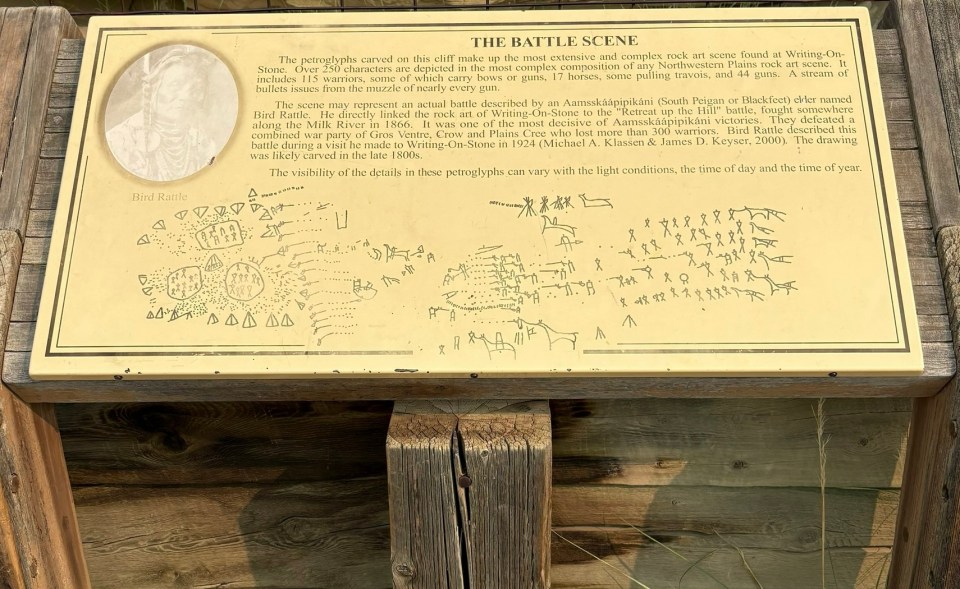
The short ten-minute walk down through the Hoodoos was exhilarating. I kept an eye out for rattlesnakes, which the park is famous for, but fortunately I didn’t encounter any — I wanted to see one, though! The highlight was reaching the Battle Scene location. An informative panel in front of the rock provided information about the objects and figures involved in the battle. With the entire area in front of the Hoodoo cordoned off, I could not take a photo of it from the front.
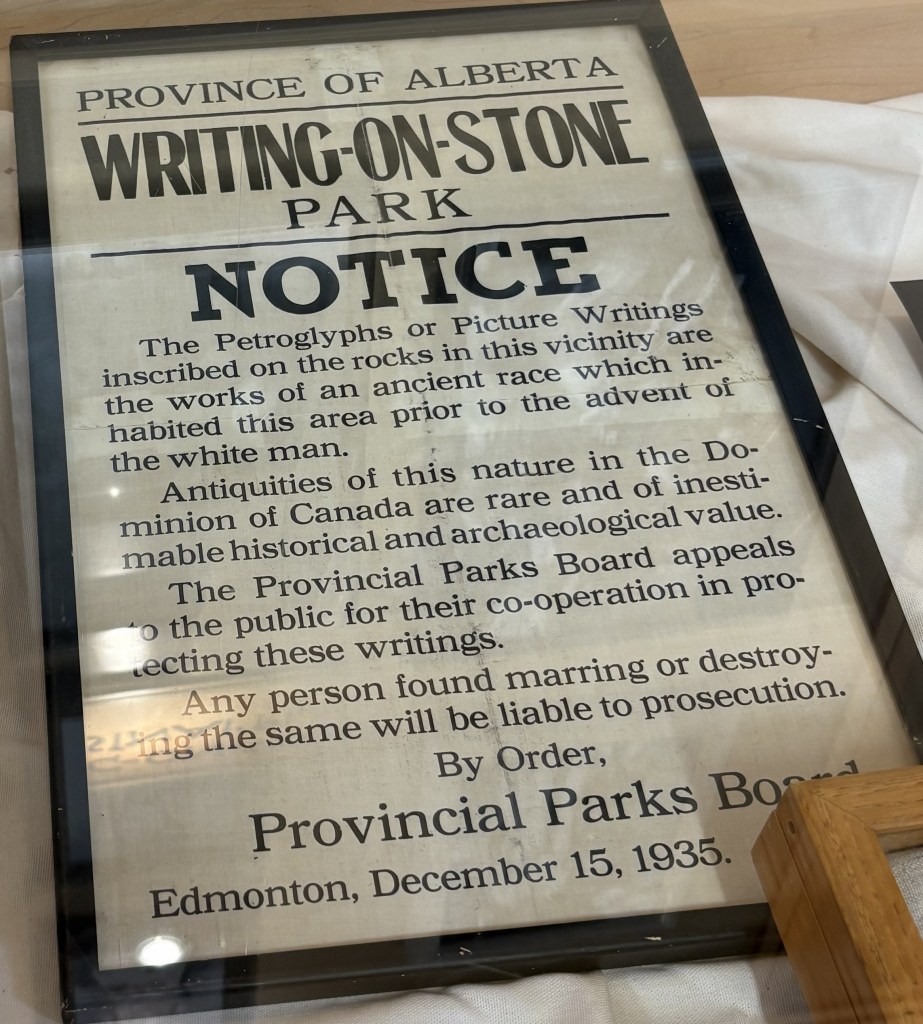
While the Hoodoo trail guide booklet offers useful information for those who choose not to take guided tours, it cannot fully replace the insights a guide can provide — including intricate details of the petroglyphs that might be easily overlooked without expert guidance. The art was created by removing parts of the rock surface through methods such as incising, picking, carving, or abrading.
~~~~~~~~
~~~~~~~~
~~~~~~~~
~~~~~~~~
~~~~~~~~
~~~~~~~~
~~~~~~~~
~~~~~~~~
~~~~~~~~
~~~~~~~~
~~~~~~~~
~~~~~~~~
~~~~~~~~
~~~~~~~~
~~~~~~~~
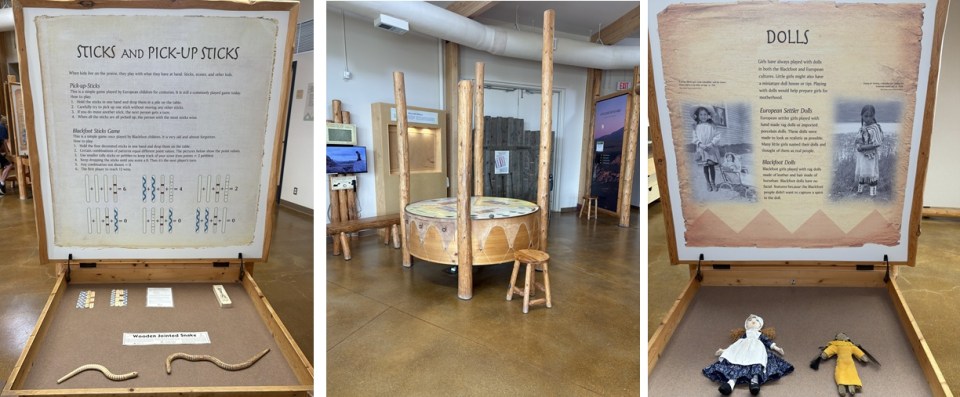
Afterward, I took a stroll along the beach near a campsite and then made my way to the visitor centre. This Writing-on-Stone visitor centre is among the best I have encountered during my travels across provincial and national parks in Canada. It provides extensive information about the park’s features and history, as well as valuable insights into the Indigenous peoples who once inhabited the area. Additionally, there are special game themes for young children within the visitor centre. I’ve also been impressed with the visitor centres at Waterton Lakes and Algonquin Provincial Park in Ontario.
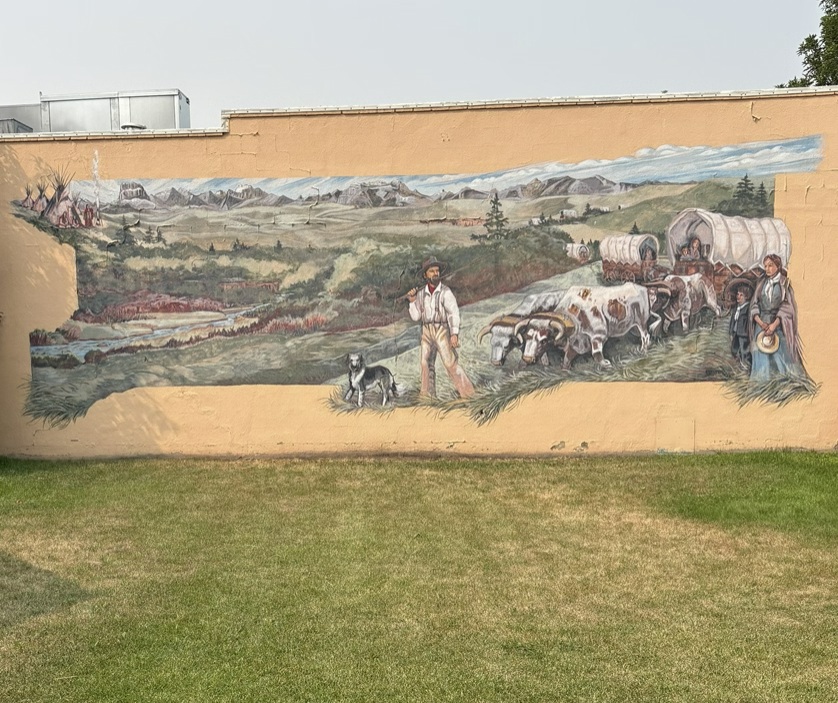
My next stop, 132 km to the west, was Cardston, for an overnight stay. As I walked along its Main Street, I discovered the historic Charles O. Card Home, now a museum. This log home was built by Smart, founder of the Cardston settlement and leader of the Latter-day Saints. He was married to Zina Young, one of Brigham Young’s daughters, who was among his four wives due to his practice of polygamy. Brigham Young was the second president of the Church of Jesus Christ of Latter-day Saints, serving from 1847 until his death in 1877. Joseph Smith, the first president, was the founder of Mormonism and the Latter-day Saint movement. Approximately 70% of the Cardston population are members of the LDS Church.
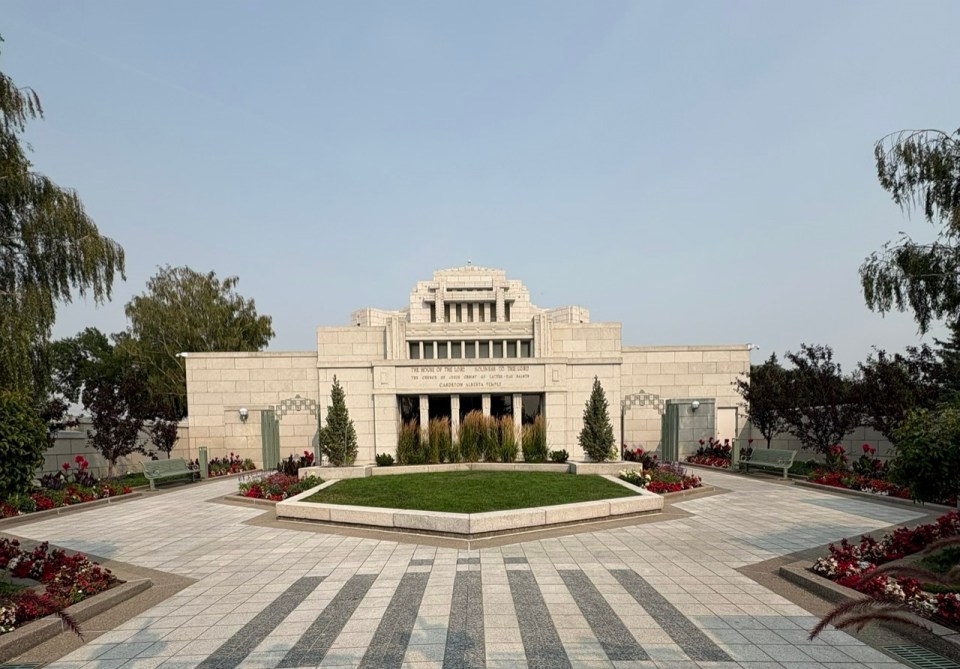
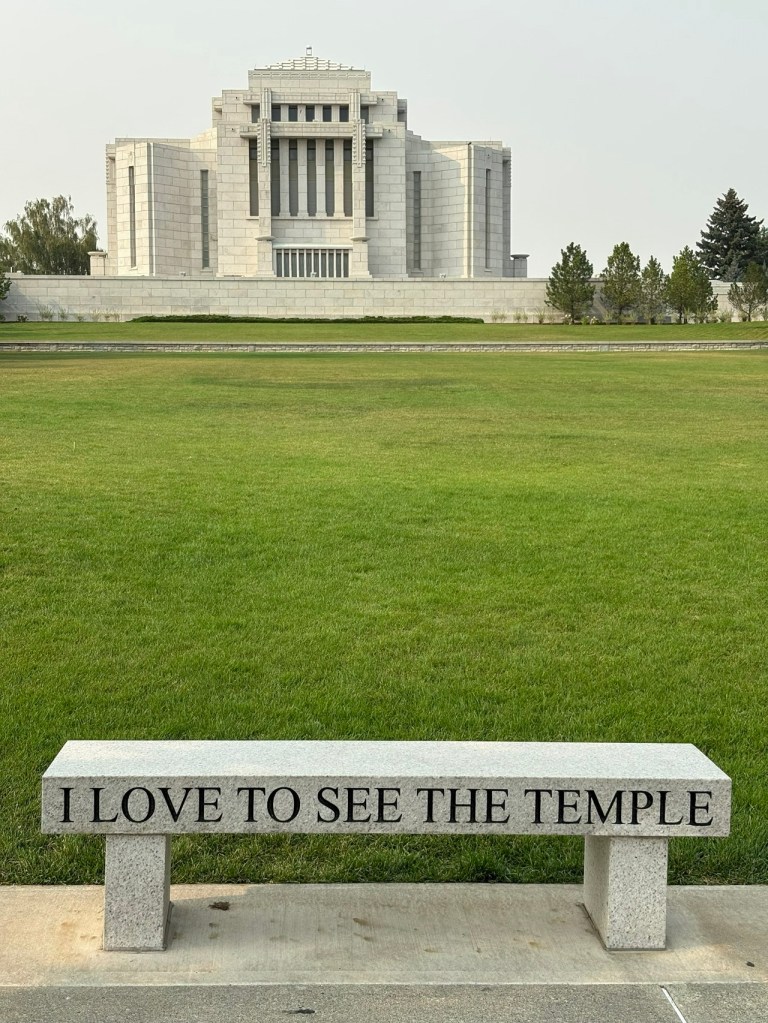
The guide at the Smart Museum directed me to the LDS Temple, an impressive building surrounded by beautiful gardens at its main entrance. The landscaping around the building includes a bench with a plaque that reads, “I LOVE TO SEE THE TEMPLE.”
~~~~~~~~
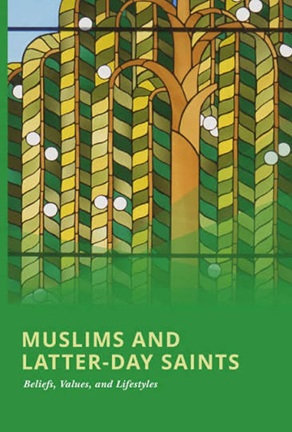
At the visitor centre, I was warmly welcomed and given LDS literature, including a booklet titled “Muslims and Latter-Day Saints — Beliefs, Values and Lifestyles.” This booklet aims to introduce Muslims and Latter-Day Saints to each other and is both easy to read and comprehensive, covering 17 themes, including faith, prophets, prayer, and physical well-being. It mentions on its back cover that it was created with input from Sunni and Shia communities. However, its introduction to Islam’s origins and the section on Shia Muslims make no mention of the belief in divinely appointed successors (Imams), starting with Ali ibn Abi Talib, who are expected to lead and protect the religious community after Prophet Muhammad. This omission may leave readers uncertain about the differences between the major Islamic schools, especially regarding Shia Islam.
Volunteerism is a deeply rooted ethic within the LDS Church, similar to the centuries-long-standing tradition of service found in the Ismaili Muslim community, which continues to thrive today. The 50th Ismaili Imam, His Highness the Aga Khan, along with his predecessors, who are directly descended from the Prophet Muhammad in the line of Hereditary Imams, beginning with Imam Ali, has expressed appreciation for this tradition and offered special blessings to those who uphold it.
During my stay in Salt Lake City from 1979 to 1980, I personally observed the efforts of volunteers in the LDS Church and their full-time missionary network, who are actively engaged in promoting their faith. The youth, both men and women, often go door-to-door to proselytize, with support from their families or by funding their own efforts. This approach contrasts with that of the Ismaili community, which does not engage in proselytization as part of its current mission. However, Ismaili volunteers and institutions, under the leadership of their Imam of the Time, play a vital role in improving the quality of life for all people in the countries where the community resides. Ismaili volunteers also support their local communities through social and cultural initiatives.
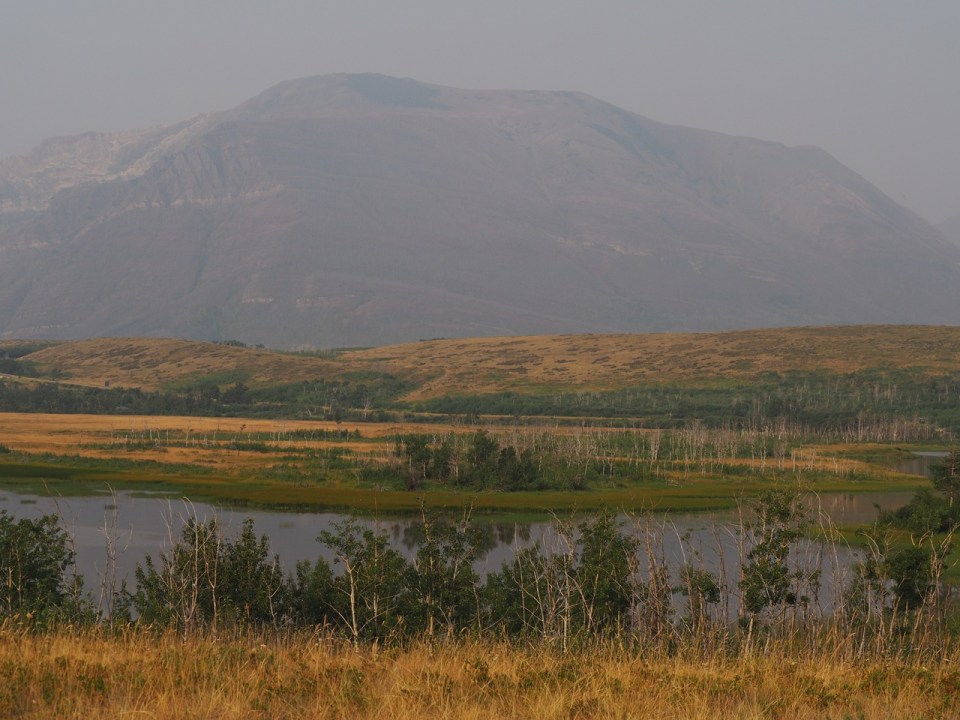
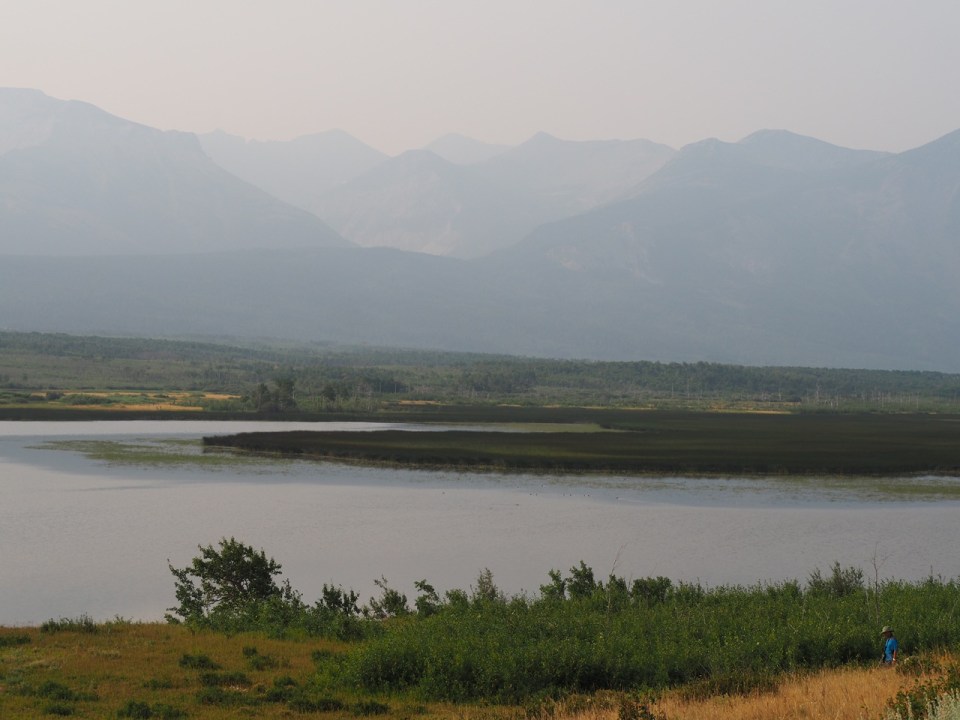
My next destination was Waterton Lakes National Park, a place I had already visited several times. However, this visit felt different. As I approached the park, I noticed the mountains shrouded in smoke. From one of my favourite lookout points, the Maskinonge, which is the largest wetland area in Waterton, the views were beautiful in a surreal way.
~~~~~~~~
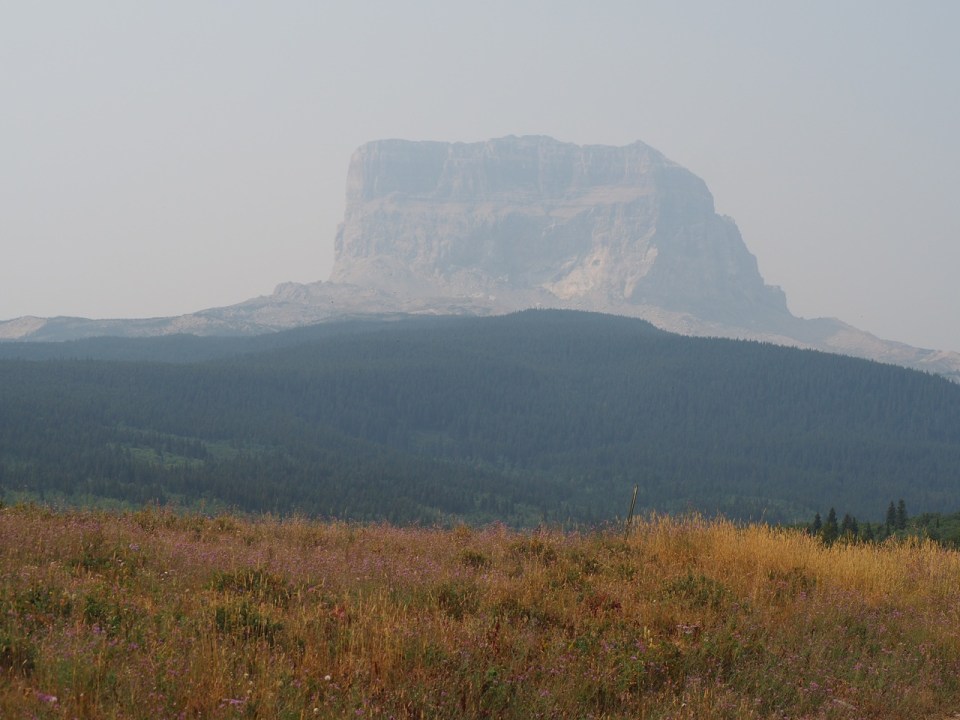
While driving along the Chief Mountain Highway (Alberta Hwy 6), which begins very close to the Maskinonge Wetland, I noticed that the iconic Chief Mountain in Montana was obscured. I decided to cross the border into the USA, where I was greeted by a better view of the mountain — though it was still not fully visible due to the smoke. The views on both the Alberta and Montana sides made me contemplate how climate change will affect the Earth in the years to come.
~~~~~~~~
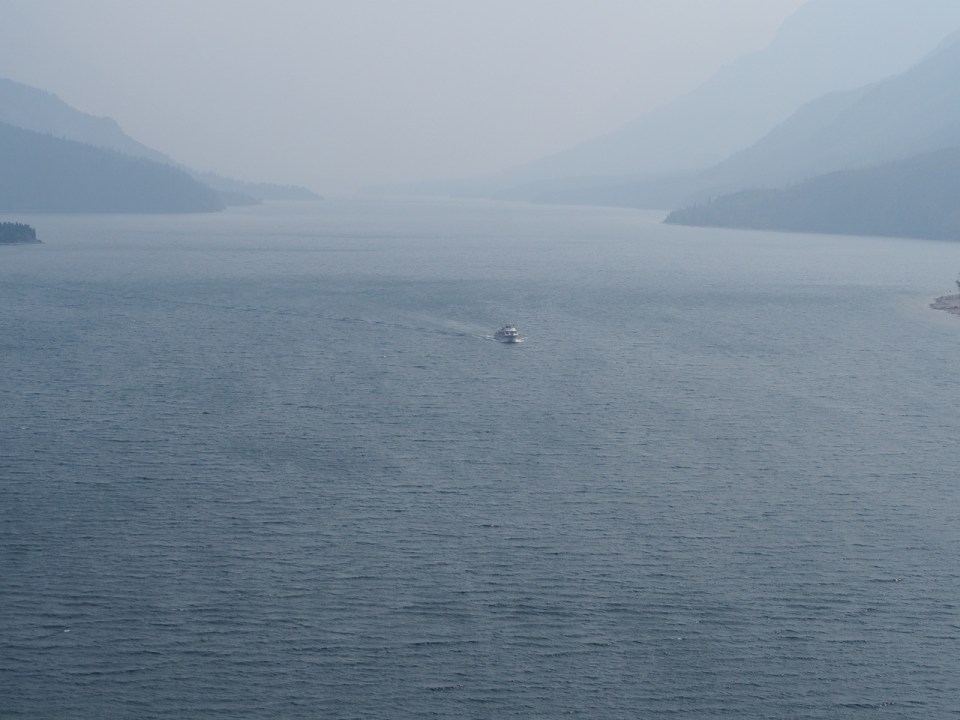
After returning to Waterton Lakes, a view from the historic Prince of Wales once again showed the impact of the wildfires. Hungry as I was, I stopped at a taco restaurant to grab a meal, which I enjoyed along with the Taber corn-on-the-cob at my favourite day-use spot, McNeely’s, on the Akamina Parkway.
The trip was truly unique! I discovered a new landscape, Writing-on-Stone / Aísínai’pi, which means “it is pictured or written”. This Alberta provincial park is one of the most significant sites in the cultural and sacred geography of the Niitsítapi (Blackfoot) people. It is rich in history and is home to a community that has lived there for thousands of years.
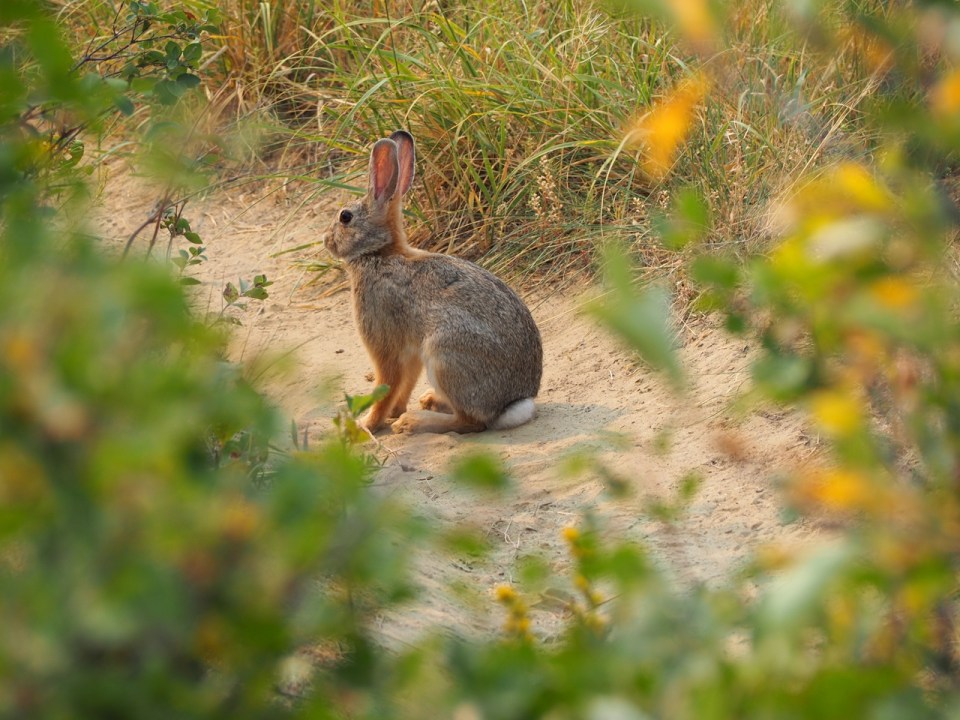
I learned about the large presence of members of The Church of Jesus Christ of Latter-Day Saints in Southern Alberta, which I hadn’t realized since my stay in Salt Lake City about 46 years ago. I also met wonderful people and exchanged ideas about various places to visit. Surprisingly, I did not encounter any animals, besides a few deer near the Waterton Lakes visitor center and a pronghorn grazing in the meadows of Writing-on-Stone. In all my previous visits to Waterton, I had never failed to see both black and grizzly bears, as well as other wildlife.
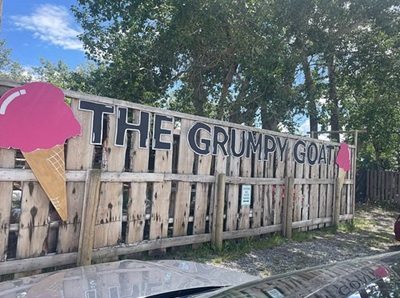
Taking a different route on my return trip to Calgary, I found the ice cream parlour — The Grumpy Goat — in Twin Buttes open. This was after two long years! And yes, the kids who came with their parents loved the friendly goats outside.
Earlier, during my drive through Montana’s Hwy 17, on the way to Glacier National Park, I witnessed a cycling incident in which several cyclists were on the road, and one of their friends appeared to be injured. Police cars rushed to the scene, and an ambulance was already there.
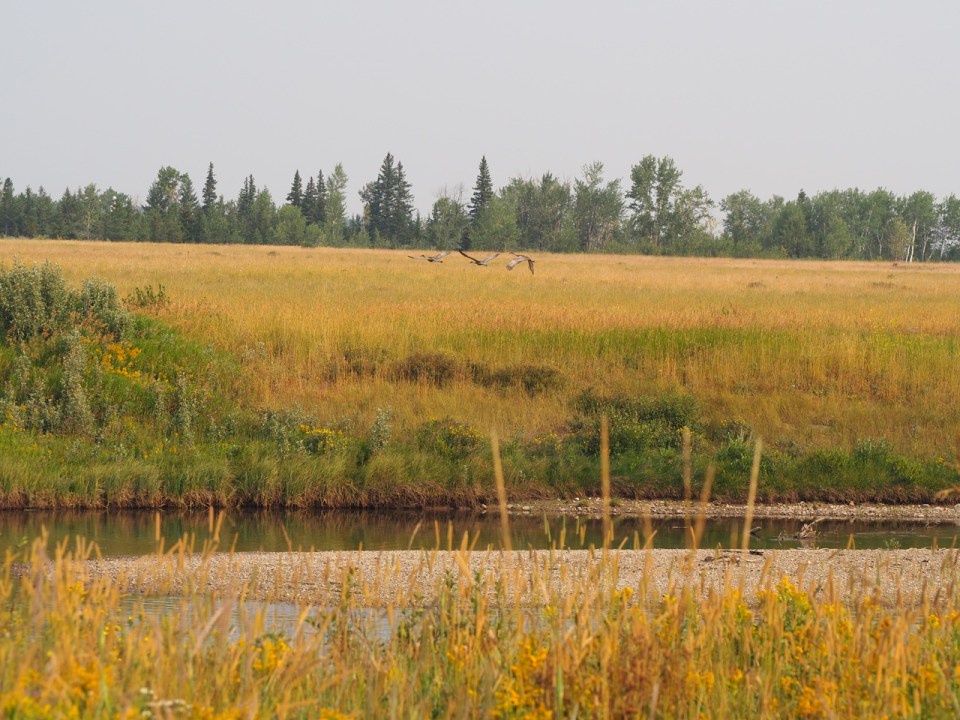
During my drive back to Waterton, I noticed that the accident had been cleared up. However, when I made a brief stop at the Belly River Campground, off the Chief Mountain Highway on the Canadian side, I discovered several bikes loaded onto a trailer, along with a note about the accident that included a phone number. I sent Taylor a message expressing my concern, and she replied that the injured person had a concussion and a hurt collarbone, which was causing him immense pain.
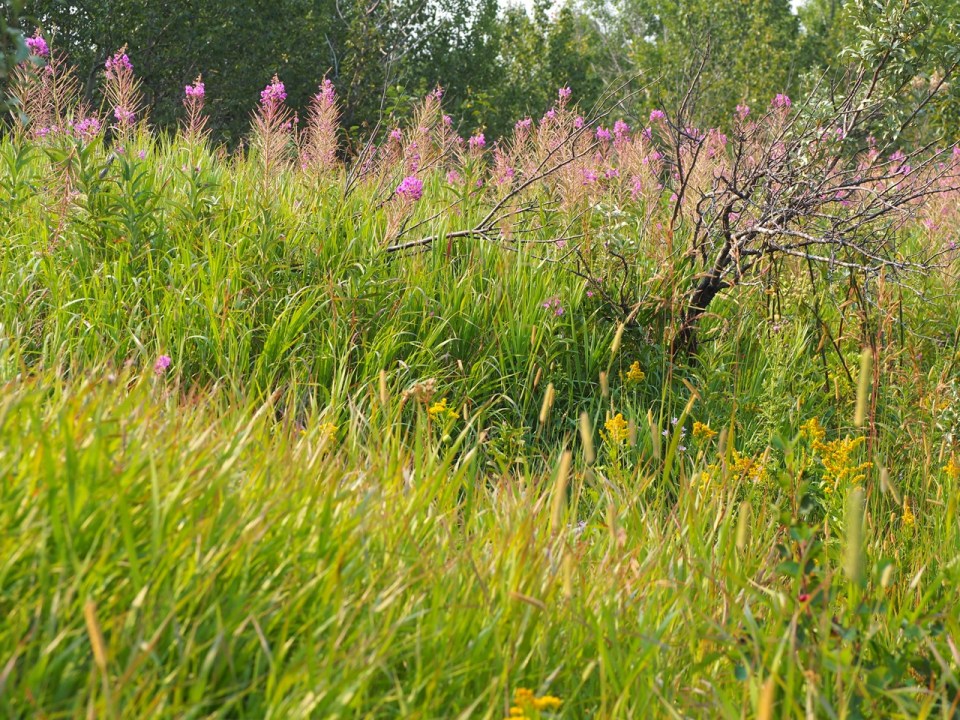
I was relieved to hear that he was in good spirits. This news brought me great joy as I started my drive back to Calgary. However, a YELLOW alert, which was also sent to my mobile phone, warned me of a major thunderstorm along the highway. This forced me to stay overnight in Pincher Creek for safety.
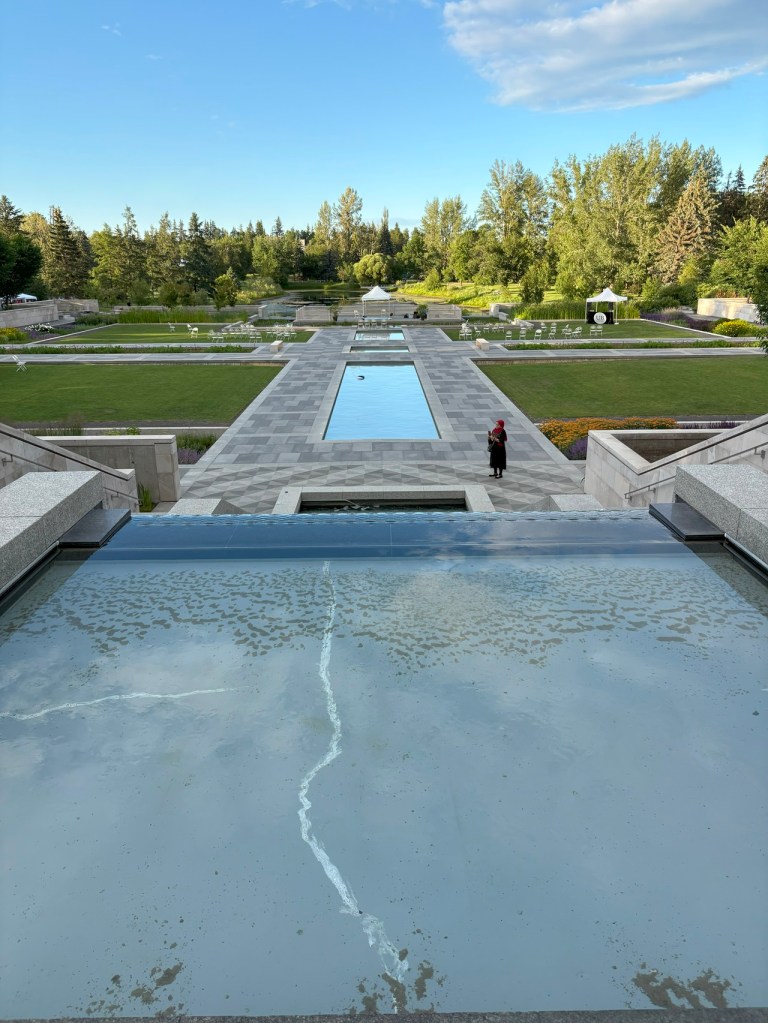
I returned to Calgary the following day to be welcomed by an email from the University of Alberta Botanic Garden announcing its Pathways: Alegría! program, a celebration of Latin American cultures and the hottest event of the summer on August 23, 2026, that I hope to attend. Of course, the excitement of the event will not affect my walk around the beautiful Aga Khan Garden.
Date posted: August 18, 2026.
___________
Further reading, external websites:
- Alberta Parks: Writing-on-Stone Provincial Park
- Bradshaw Foundation: Exploring Our Past / Informing Our Future — Writing-On-Stone Áísínai’pi Provincial Park, Alberta, Canada
- UNESCO World Heritage Centre: Writing-on-Stone / Áísínai’pi
- Parks Canada: Canadian Sites on the World Heritage List